
Croatia has a way of ruining other beach holidays for you. One day you’re exploring ancient Roman streets, the next you’re walking above turquoise waterfalls or swimming in a secluded Adriatic cove. The hard part isn’t finding the best places to visit in Croatia. It’s choosing between them without spending half your trip on ferries. So here’s how we’d split it up: the must visit places in Croatia, how long each one deserves, and a couple of routes that won’t leave you living out of a suitcase.
Best Places to Visit in Croatia: Quick Answer
Short version: the best places to visit in Croatia are Dubrovnik and Split for history, Plitvice Lakes and Krka for waterfalls, Hvar, Korčula and Brač for island time, and Istria or Slavonia if you travel for food. Got a week? Pick two bases and do day trips from them. Changing hotels every night sounds efficient and feels exhausting.
Top Croatian Destinations at a Glance
| Destination | Primary appeal | Recommended stay | Unique experience |
| Dubrovnik | Medieval history, coastal views | 2–3 days | City Walls walk and Lokrum Island ferry |
| Split | Roman heritage, island hub | 2–3 days | Living inside Diocletian’s Palace |
| Plitvice Lakes | Terraced lakes and waterfalls | 1–2 days | Route K trail and the Great Waterfall (Veliki Slap) |
| Hvar Island | Sunshine, coves, nightlife | 2–4 days | Pakleni Islands boat taxi and Spanish Fortress |
| Rovinj & Istria | Gastronomy, Venetian charm | 2–3 days | Truffle hunting and hilltop towns |
| Zadar | Sea acoustics, Roman ruins | 1–2 days | Sea Organ and Sun Salutation at sunset |
Still deciding where your next adventure should take you? Explore our guide to the best countries to visit in 2027, featuring 20 incredible destinations, travel budget estimates, and inspiration for every type of traveler.
Choosing between the best places to visit in Croatia depends on how much time you have and what kind of holiday you’re planning. Dubrovnik and Split are fantastic for history lovers, while Hvar and Brač are ideal for beaches. If you’re looking for something quieter, consider Rovinj, Zagreb, or one of Croatia’s beautiful national parks.
Croatia Travel Planning: What to Know for 2027
None of this is complicated, but a few things catch people out every summer. Sort them now and the best places to visit in Croatia get a lot easier to enjoy.
- Money and passports. Croatia uses the euro and has been part of the Schengen Area since 2023. For most non-EU short-stay visitors, time spent in Croatia counts toward the Schengen limit of 90 days in any 180-day period. Always check the entry rules for your nationality before traveling.
- Getting around. Along the coast, FlixBus and the Jadrolinija ferries do the job fine. Inland, buses thin out fast. If Istria or the national parks are on your list, just rent a car. Driving to Dubrovnik is easier now too, since the Pelješac Bridge skips the old Bosnian border crossing.
- Your suitcase vs. the old towns. Dubrovnik, Split and Rovinj are car-free, cobbled and full of stairs. Dragging a big case up them in August is a rite of passage nobody needs. Drop bags at your hotel or a luggage locker first.
- Water shoes. Most beaches are pebbles or rock, and sea urchins are common. A €10 pair from any beach kiosk will save your feet.
Best Historic Cities to Visit in Croatia
Some of the best places to visit in Croatia are its historic coastal cities, where centuries-old architecture meets breathtaking Adriatic views. From Dubrovnik’s medieval walls to Split’s ancient Roman palace, these destinations combine fascinating history with unforgettable scenery.
Dubrovnik: Pearl of the Adriatic
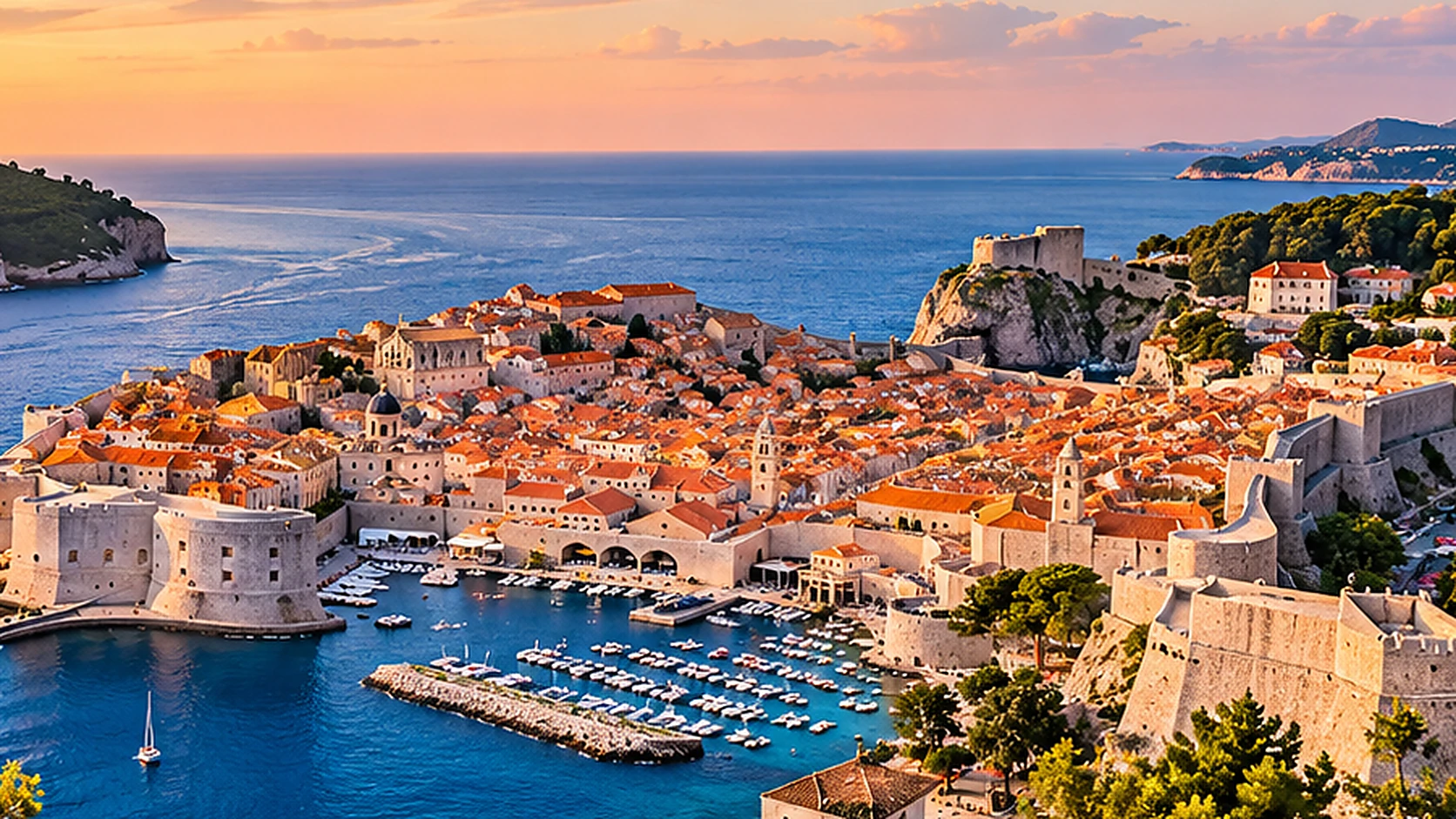
Yes, it’s busy. Yes, it’s pricier than the rest of the coast. And yes, it still deserves its spot at the top of the best places to visit in Croatia, because nothing quite prepares you for those walls dropping straight into the sea.
- Walk the City Walls early. The full loop is about 2 km. Start before 9 AM and you’ll beat both the heat and the cruise-ship groups, who tend to arrive mid-morning.
- Go up for the view. Take the cable car, or hike Mount Srđ if your legs are up for it, to Fort Imperial. Sunset from up there, looking down on the Old Town and Lokrum, is the photo everyone wants.
- Wander the Old Town. Stradun is the main drag. Duck off it for the Rector’s Palace and Onofrio’s Fountain, then head out to Fort Lovrijenac on its own rock.
- Escape to Lokrum. It’s a 15-minute ferry ride. Expect botanical gardens, peacocks that act like they own the place, and quiet rocks to swim from.
Split: Living Inside Roman History
Diocletian’s Palace was built in the 4th century AD as a Roman emperor’s retirement home. Seventeen centuries later, people still hang laundry between its walls and drink espresso in its courtyards. That’s what makes Split special: it’s not a ruin, it’s a neighborhood. It’s also the handiest base for reaching many of the best places to visit in Croatia.
- Climb the bell tower of Saint Domnius Cathedral. The stairs get narrow near the top, but the view is worth it. The tiny Temple of Jupiter is around the corner.
- Stroll the Riva in the evening, when the whole city seems to come out.
- When you’ve had enough stone, head up into Marjan Park for pine forest and sea views, or cool off at Kasjuni or Bačvice beach.
Trogir & Šibenik: UNESCO Gems
If Dubrovnik feels like too much, these two are the antidote. Trogir sits on its own little island and takes about an hour to wander. Don’t miss Kamerlengo Castle and the carved doorway of St. Lawrence Cathedral. Šibenik is bigger and less polished, with the all-stone St. James Cathedral and a ring of hilltop fortresses. It’s also the closest town to Krka National Park.
Best National Parks in Croatia
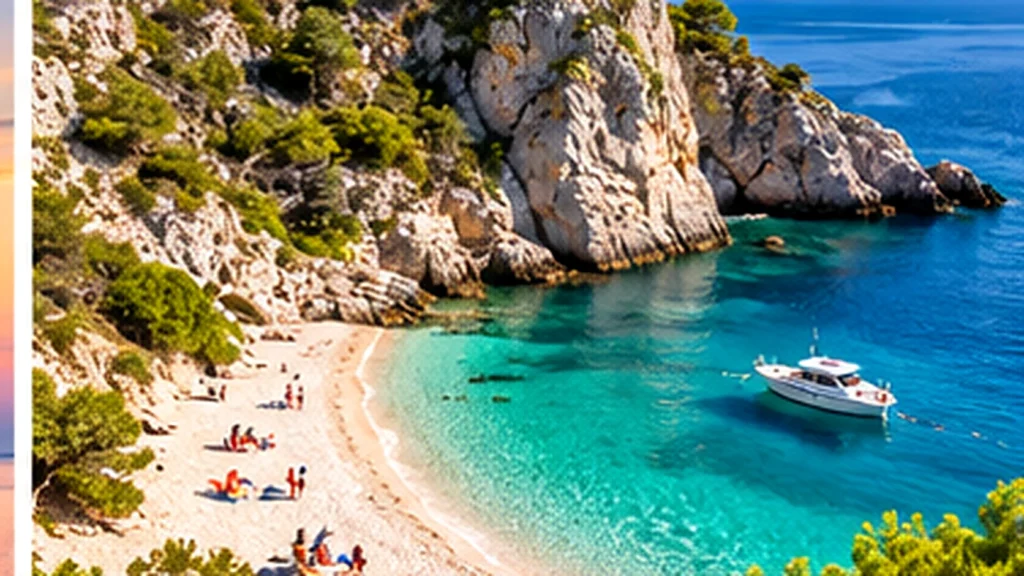
The best places to visit in Croatia aren’t limited to the coast. Head inland and you’ll discover spectacular national parks, turquoise lakes, lush forests, and waterfalls that make Croatia one of Europe’s most rewarding destinations for nature lovers.
Plitvice Lakes National Park
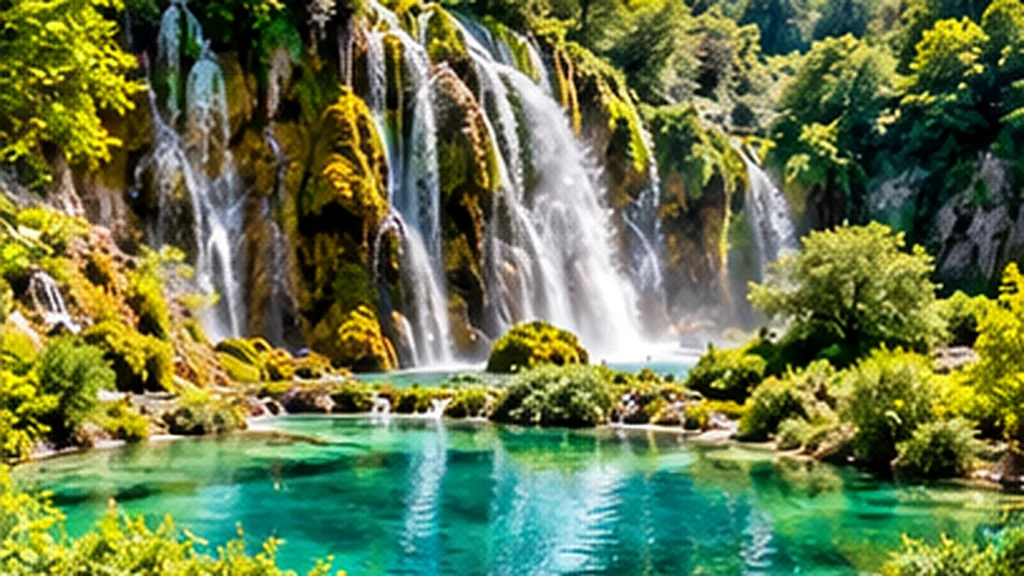
Picture 16 lakes stacked like steps, each one a ridiculous shade of green, with 90-plus waterfalls spilling between them. You walk right over the water on wooden boardwalks. It looks Photoshopped, and it’s not. Hands down one of the most beautiful places in Croatia, and if you skip it, your list of the best places to visit in Croatia has a hole in it.
- Book your ticket online. Entry is timed, and summer slots sell out. Showing up and hoping for the best is a great way to spend your morning in the car park.
- Do Route K. Choose your walking route carefully. Route K takes approximately 6–8 hours and covers an extensive part of the lakes. Short on time? Route H takes around 4–6 hours and includes both the Upper and Lower Lakes.
- Pick your season. Spring is when the waterfalls are at full roar. Autumn swaps that for golden leaves and far fewer elbows on the boardwalks.
Before visiting, check the official Plitvice Lakes walking routes to choose a trail that matches your available time and fitness level.
Krka National Park
Can’t face the drive to Plitvice? Krka is about an hour from Split, which makes it a super easy day trip. The big star is Skradinski Buk, a wide, frothy waterfall you’ll want a hundred photos of. Then hop on a boat to Visovac, a tiny monastery sitting on its own river island, and finish up at Roški Slap, which is quieter and just as pretty.
Before visiting Krka National Park, check the official visitor information for permitted activities, available excursions and swimming restrictions.
Off-the-Beaten-Path Nature
- Omiš & Cetina Canyon: For the adrenaline crowd. Zipline across the gorge, then go white-water rafting down the Cetina River. Screaming is optional but likely.
- Plitvice Valley & Željava Airbase: Poke around the Barać Caves and the Speleon Museum, then take a buggy tour around Željava, an abandoned Cold War airbase built right into a mountain. It’s eerie in the best way.
Best Croatian Islands for Beaches and Adventure
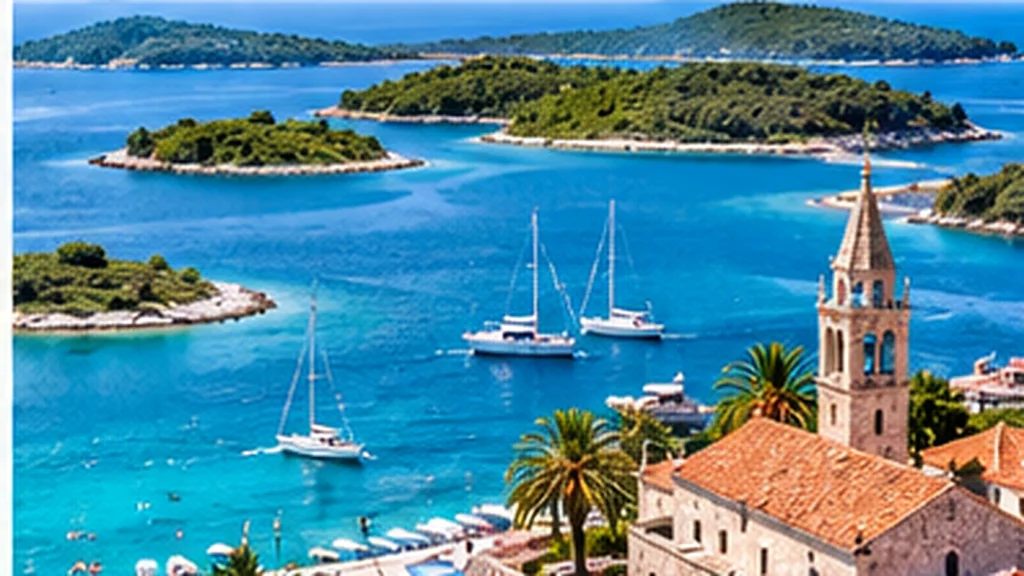
Let’s be real: a trip here without at least one island is only half a trip. The islands are a huge part of what makes these the best places to visit in Croatia, and catamarans from Split make hopping between them pretty painless.
Hvar: Sun, Lavender & Secluded Coves
Planning to explore Hvar, Brač or Korčula? Check the latest Jadrolinija ferry schedules and ticket availability before finalizing your route.
Hvar Town has the lot: pretty Renaissance streets, the Spanish Fortress looking down over everything, and a harbor that gets loud once the sun goes down. Party’s not your thing? Grab a water taxi to the Pakleni Islands and find yourself a turquoise cove. Or go the slow route to Stari Grad and the Stari Grad Plain, ancient farmland that’s UNESCO-listed and smells like lavender in early summer.
Korčula & Brač: Wine and Iconic Beaches
- Korčula: People call it “Little Dubrovnik” thanks to its medieval walls, minus the crowds. Rent a bike, ride out to the vineyards and try the local whites, Pošip and Grk. Your designated cyclist will thank you.
- Brač: This is where you’ll find Zlatni Rat (the Golden Horn) in Bol, that pointy pebble beach you’ve seen on every Croatia postcard. Fun fact: the tip actually shifts with the wind and tides.
Vis & Mljet: Quieter Island Escapes
- Vis: Far out and wonderfully sleepy. Go for Stiniva Cove, a beach hidden behind giant cliffs, and take a boat to the Blue Cave on Biševo, where the water literally glows.
- Mljet: Mostly national park, all pine forest and salty lakes. Rent a kayak, paddle around, and forget what day it is.
Croatia can also be a wonderful destination for independent travelers. If you’re planning to explore Europe on your own, discover our guide on where to travel alone in 2027 for more destination ideas, safety considerations, and practical solo travel tips.
Beyond Dalmatia: Istria, Zagreb & Slavonia
While the Dalmatian Coast attracts plenty of attention, some of the best places to visit in Croatia are found farther inland and in the north. Istria, Zagreb, and Slavonia offer a completely different side of the country, with charming towns, local wines, traditional food, and fewer tourist crowds.
Istria: Gastronomy & Roman Heritage
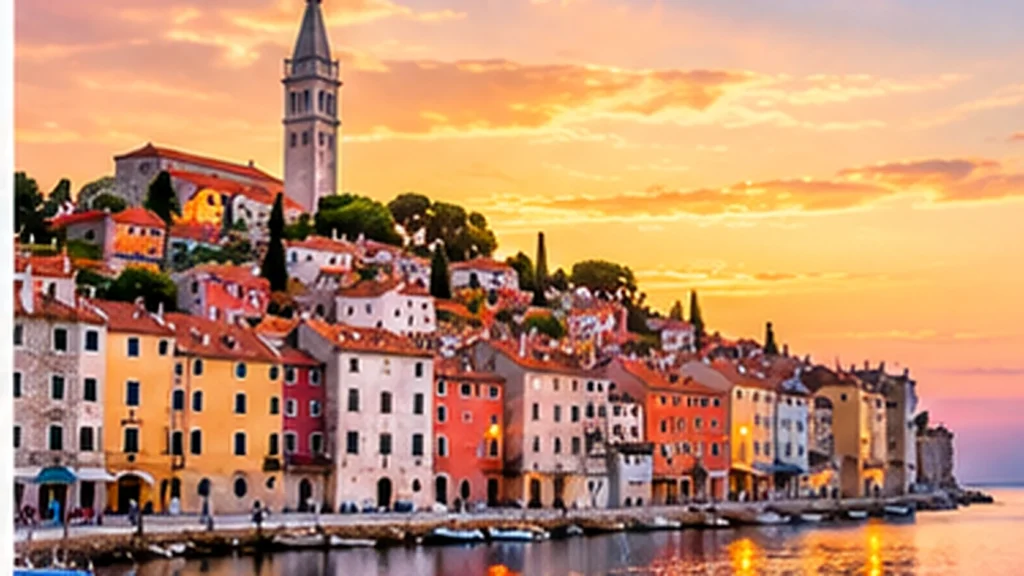
- Rovinj: A fishing town painted in every pastel shade going. Follow the cobbled lanes uphill until you reach St. Euphemia Church, then reward yourself with a sea-view drink.
- Pula: There’s a full-size Roman amphitheater from the 1st century just sitting in the middle of town, like it’s no big deal. Pair it with the Zerostrasse tunnels underneath the city.
- Food and wine: This is the bit you’ll talk about at home. Go truffle hunting around Motovun and Buzet, sample some seriously good olive oil, and try a Malvazija or one of the local orange wines.
Zagreb: The Vibrant Capital
Zagreb gets skipped way too often, and that’s a mistake. Wander the Upper Town (Gornji Grad) to see St. Mark’s Church and its tiled roof, then head down to Ban Jelačić Square and the Dolac market for fruit and people-watching. The Museum of Broken Relationships is weird, funny and a little bit heartbreaking. Finish with a coffee on Tkalčićeva Street, where locals can make one espresso last two hours.
Slavonia: Off-the-Grid Wine & Tradition
Out east, around Osijek and the village of Zmajevac, Croatia gets rural and relaxed. Think family wine cellars, crisp Graševina, and a big pot of fish paprikash that’s been bubbling for hours. Prices are a fraction of the coast’s, too. Proof that some of the best places to visit in Croatia are nowhere near a beach.
Croatia Itineraries: 7 and 14 Days
Planning a route between the best places to visit in Croatia doesn’t have to be complicated. The secret is choosing a few convenient bases instead of changing hotels every night. These practical itineraries will help you discover the highlights while leaving enough time to enjoy each destination.
Option 1: The 7-Day “Base Hub” Itinerary
Two bases, no daily packing. Your back will thank you.
| Days | Base | Plan |
| 1–2 | Dubrovnik | Old Town, City Walls, Mount Srđ sunset, Lokrum Island |
| 3–4 | Split | Transfer, Diocletian’s Palace, Riva promenade, Marjan Hill |
| 5 | Split | Day trip to Salona Roman ruins and Klis Fortress |
| 6 | Split | Krka National Park or a catamaran to Hvar |
| 7 | Split | Trogir Old Town, then fly out of Split Airport |
Option 2: The 10–14-Day Grand Tour
Got more time? Lucky you. Here’s the big loop:
- Days 1–3: Start in Zagreb, then head south to Plitvice Lakes.
- Days 4–6: Istria for Pula, Rovinj and as many truffles as you can handle.
- Days 7–10: The Dalmatian Coast, with Split as your base for Trogir and Krka.
- Days 11–14: Island hop through Hvar and Korčula, then wrap it all up in Dubrovnik.
How Much Does a Trip to Croatia Cost?
Wondering how much money you’ll need for Croatia? The answer depends on where you’re going, when you’re visiting, and how you like to travel.
Dubrovnik and Hvar can be particularly expensive during peak summer, while Zagreb, Slavonia, and smaller inland towns often offer better value.
Here’s a useful starting point for planning your trip, based on historical traveler spending:
| Travel style | Approximate daily budget |
|---|---|
| Budget travel | €60 per person |
| Mid-range travel | €150 per person |
| Luxury travel | €375 per person |
These are rounded historical averages, not confirmed prices for 2027. They cover typical accommodation, food, local transportation, and sightseeing expenses, but not international flights. Actual costs can be significantly higher during peak season.
My money-saving tips:
- Travel in May, June, or September when possible.
- Choose accommodation outside the busiest Old Town locations.
- Use intercity buses and public ferries where practical.
- Eat at local bakeries and neighborhood restaurants.
- Spend more time in fewer destinations to reduce transfer costs.
The biggest budget mistake? Trying to see the entire country in one week. Slower travel often means less spending and a much more enjoyable holiday.
Croatian Food & Drink
- Peka: Meat or octopus slow-cooked under an iron bell buried in hot coals. Catch: you have to order it 3–4 hours ahead. Plan lunch at breakfast. It’s worth it.
- Fresh seafood: At a konoba (a family-run tavern), the fish is grilled whole and priced by weight. Ask to see the catch and pick yours.
- Burek: Flaky pastry stuffed with meat or cheese. Cheap, greasy, perfect. Best eaten warm from a bakery, ideally the morning after a big night in Hvar.
- Wine: Order whatever’s local. That means Pošip on Korčula, Grk in Lumbarda, Graševina in Slavonia and Malvazija in Istria.
Frequently Asked Questions
Before exploring the best places to visit in Croatia, it’s worth sorting out a few practical details. From the ideal time to travel to transportation and accommodation costs, these answers will help you plan a smoother trip.
When is the best time to visit Croatia?
May, June or September, no contest. It’s warm and sunny, the sea is great for swimming, the ferries run full timetables, and hotels cost noticeably less than in July and August. You also won’t be fighting a tour group for every photo.
Do I need to rent a car in Croatia?
Nope, not if you’re sticking to the coast and islands. Buses and catamarans link Dubrovnik, Split and Zadar all day long. But if you want Istria, the inland parks or the countryside, get a car. You’ll waste far less time waiting at bus stops.
How many days do I need for a first trip to Croatia?
Give yourself 7 to 10 days to see the best places to visit in Croatia without rushing. That’s enough for two or three bases, say Dubrovnik, Split and one island or national park, plus a lazy beach day or two.
Is Croatia expensive?
It depends where you go. Overall it’s mid-priced for Europe. Dubrovnik and Hvar in peak summer will sting your wallet. Zagreb, Slavonia and anywhere in the shoulder season feel like a bargain by comparison.
Final Thoughts
Here’s the secret to the best places to visit in Croatia: don’t try to see them all. Pick two or three bases, book Plitvice and summer ferries early, and leave room for a long, lazy konoba lunch. Start with Dubrovnik and Split, then add an island or Istria if you can swing it. So, which of these must visit places in Croatia is going on your list first?